Effective Fly Pest Control Strategies
Effective fly pest control requires understanding seasonal patterns and environmental conditions that influence fly activity. Timing treatments appropriately can significantly reduce fly populations and prevent infestations.
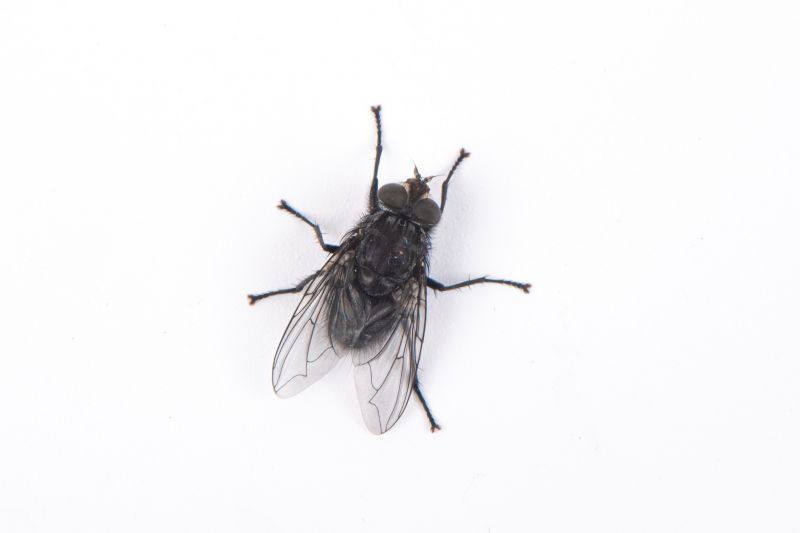
Fly populations begin to increase as temperatures rise, making spring an optimal time for preventative control measures.
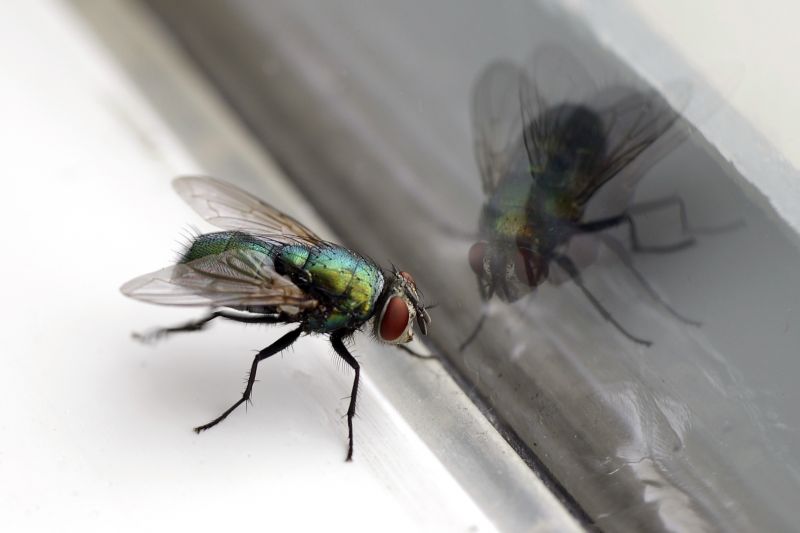
Summer often sees the highest fly activity, requiring targeted interventions to manage outbreaks.
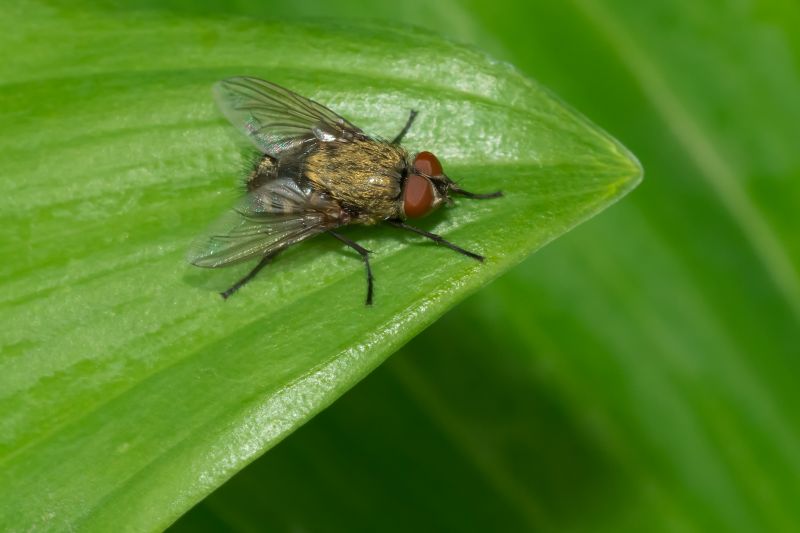
Fly activity decreases in colder months, but indoor treatments may still be necessary to control year-round populations.
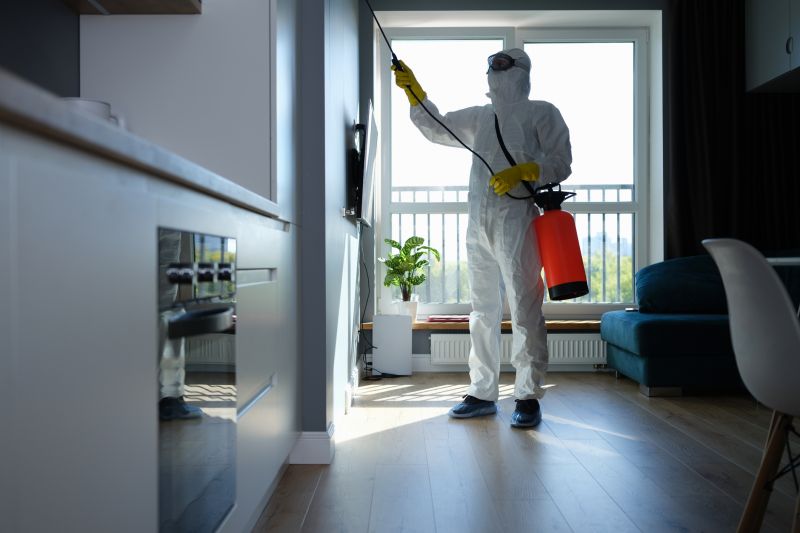
Ways to make Fly Pest Controls work in tight or awkward layouts.
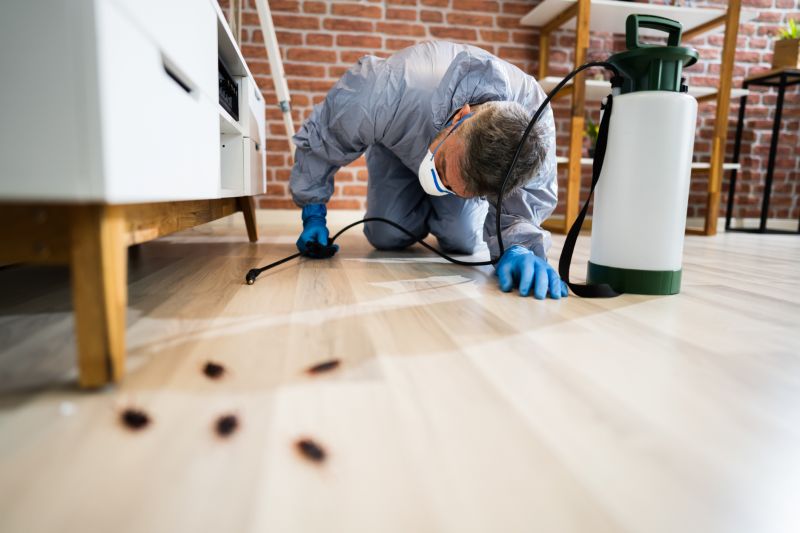
Popular materials for Fly Pest Controls and why they hold up over time.
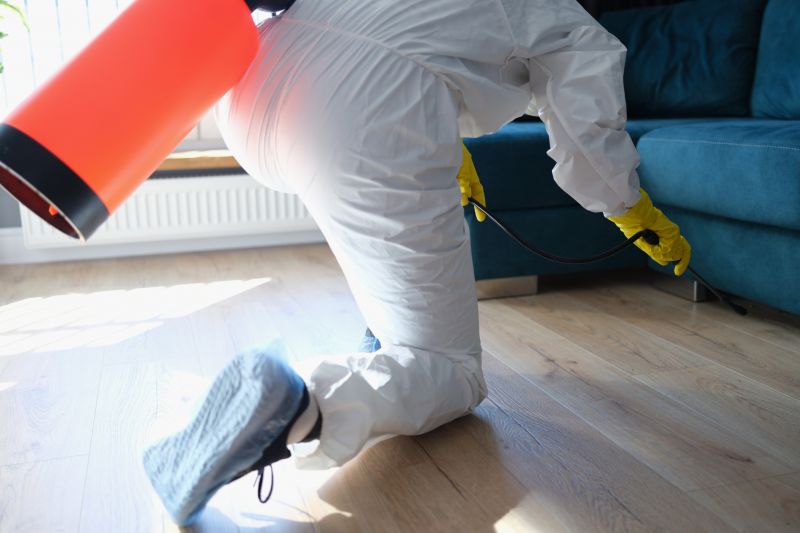
Simple add-ons that improve Fly Pest Controls without blowing the budget.
Fly pest management is most effective when implemented before populations reach problematic levels. Early intervention during warmer months can prevent large-scale infestations. Flies are most active in temperatures above 50°F, with peak activity occurring between 70°F and 85°F. Humidity and access to breeding sites such as garbage, compost, and standing water also influence fly populations. Monitoring environmental conditions and implementing control measures accordingly can help maintain a fly-free environment.
Understanding seasonal trends aids in planning timely fly control measures to prevent infestations.
Temperature, humidity, and breeding sites impact fly activity and should guide treatment scheduling.
Regular sanitation and early intervention during peak seasons help reduce fly populations effectively.
Indoor treatments may be necessary year-round, especially in warmer months when flies seek shelter indoors.
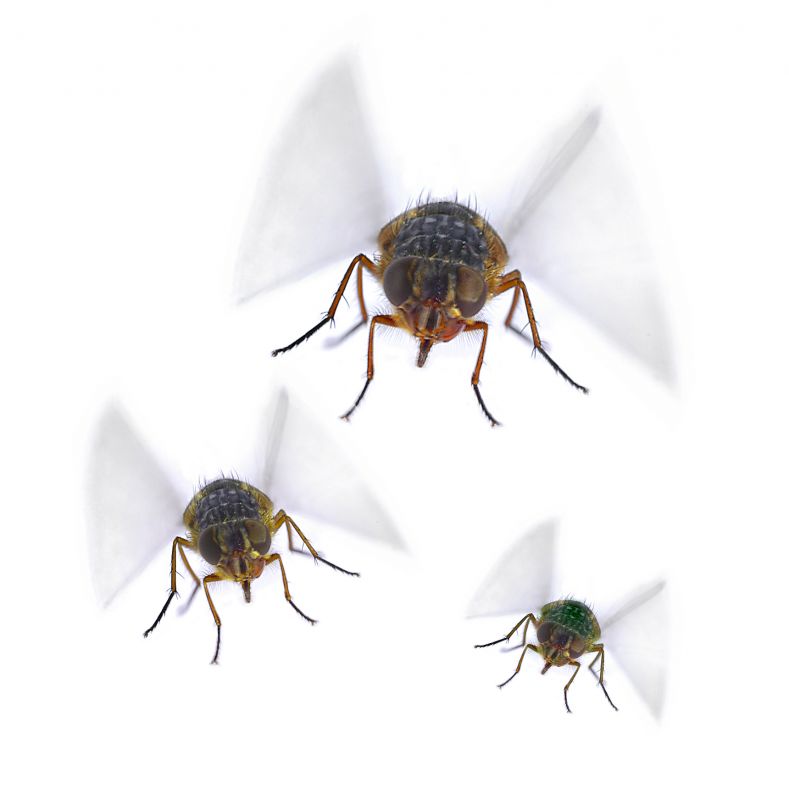
Effective for monitoring and reducing fly populations.
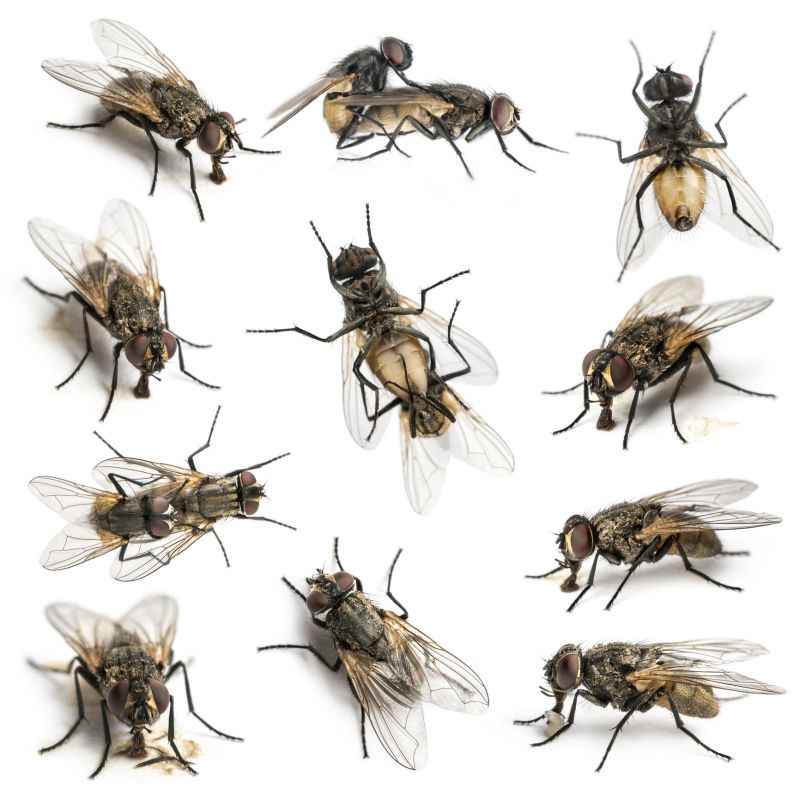
Identifying and eliminating breeding sites is crucial for control.
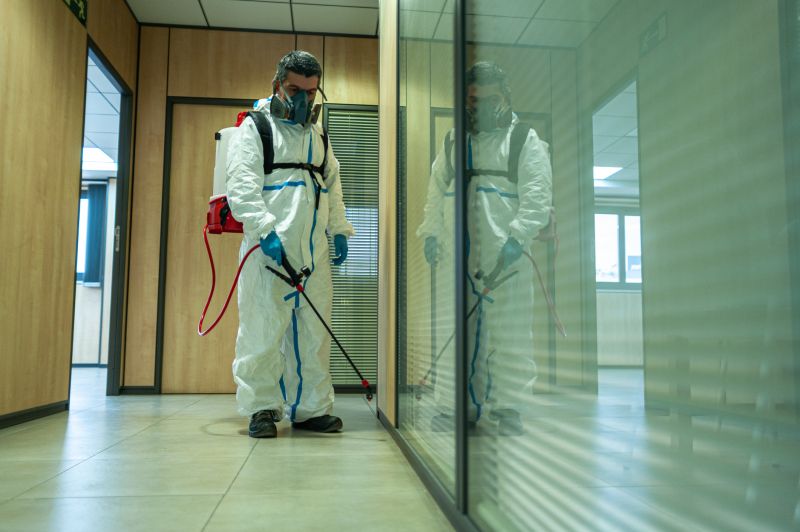
Proper waste management reduces attractants for flies.

Indoor treatments are vital during colder months to prevent indoor infestations.
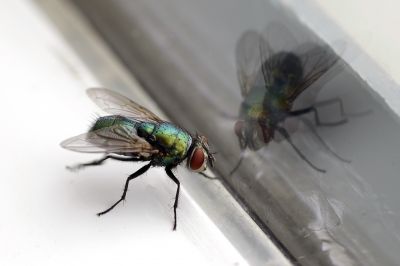
High-end options that actually feel worth it for Fly Pest Controls.
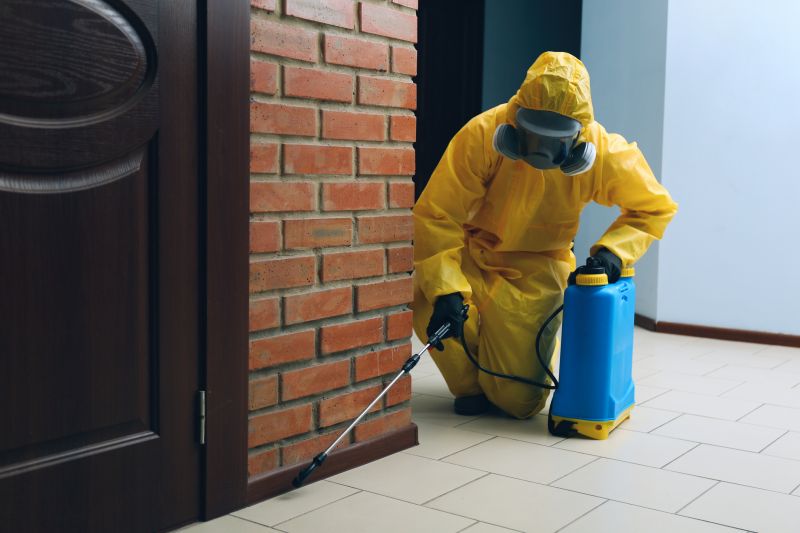
Finishes and colors that play nicely with Fly Pest Controls.
| Season | Optimal Control Timing |
|---|---|
| Spring | Begin preventative measures early as temperatures rise. |
| Summer | Implement targeted treatments during peak activity. |
| Fall | Maintain control indoors as outdoor activity decreases. |
| Winter | Focus on indoor treatments to prevent indoor infestations. |
| Year-round | Regular sanitation and monitoring are recommended. |
Fly pest control strategies should be aligned with seasonal activity patterns. Implementing measures before fly populations escalate can lead to more effective management. Proper sanitation, removal of breeding sites, and timely applications of control products are essential components of an integrated fly management program. Regular monitoring helps identify the optimal moments for intervention, minimizing the need for extensive treatments.
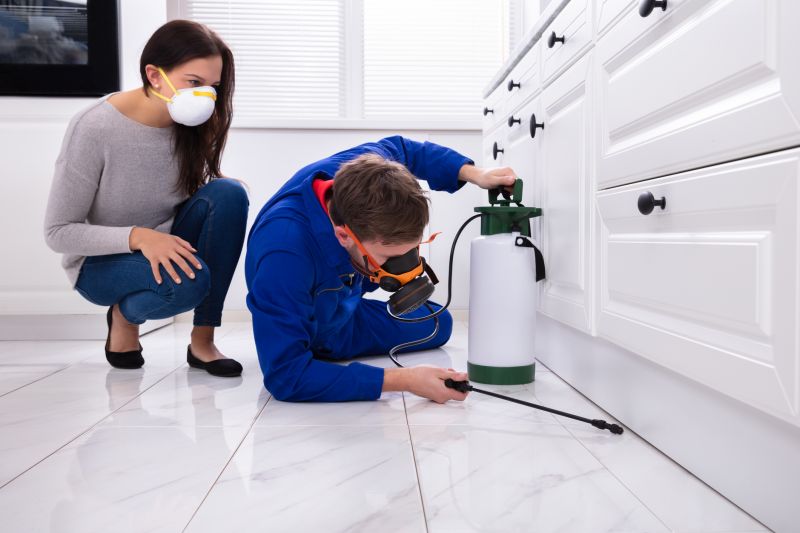
Traps and bait stations are useful tools for managing fly populations.
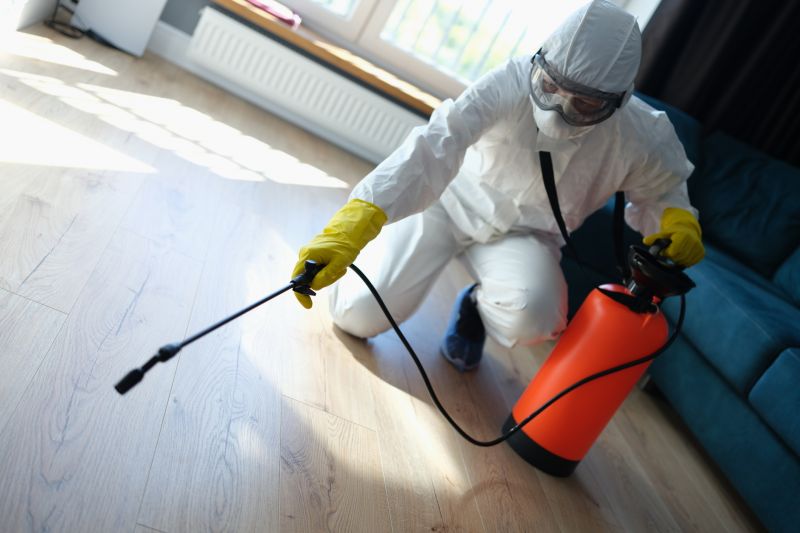
Maintaining cleanliness reduces attractants and breeding sites.

Indoor control measures are necessary to prevent year-round infestations.

Outdoor treatments target breeding sites and reduce populations.
Effective fly control involves a combination of environmental management and targeted interventions timed to seasonal activity. Early action during warm months and consistent sanitation practices can significantly reduce fly populations. For persistent or large-scale issues, professional treatment options provide comprehensive solutions to maintain a fly-free environment.
Interested in managing fly populations effectively? Filling out the contact form can provide more information on suitable control options and scheduling treatments tailored to seasonal needs.