Comprehensive Fly Eradication Services

High-efficiency fly traps and bait stations are used to reduce fly populations effectively.
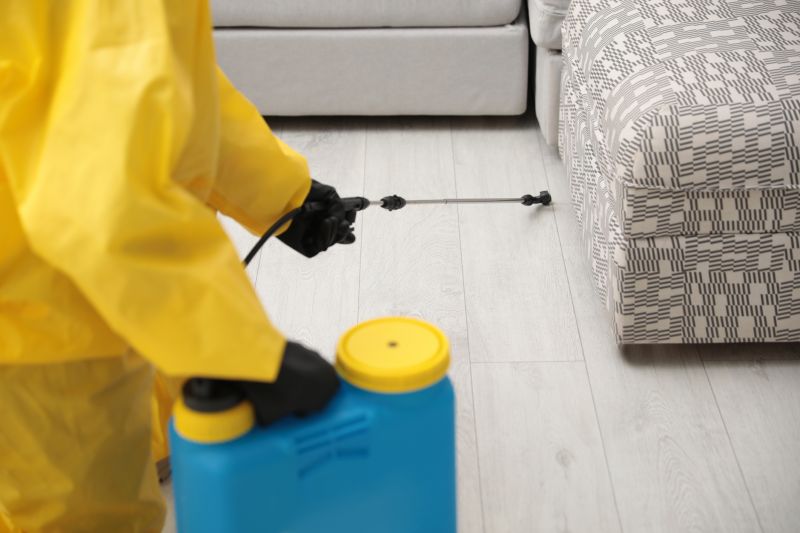
Proactive measures include sealing entry points and eliminating breeding sites to prevent future fly issues.
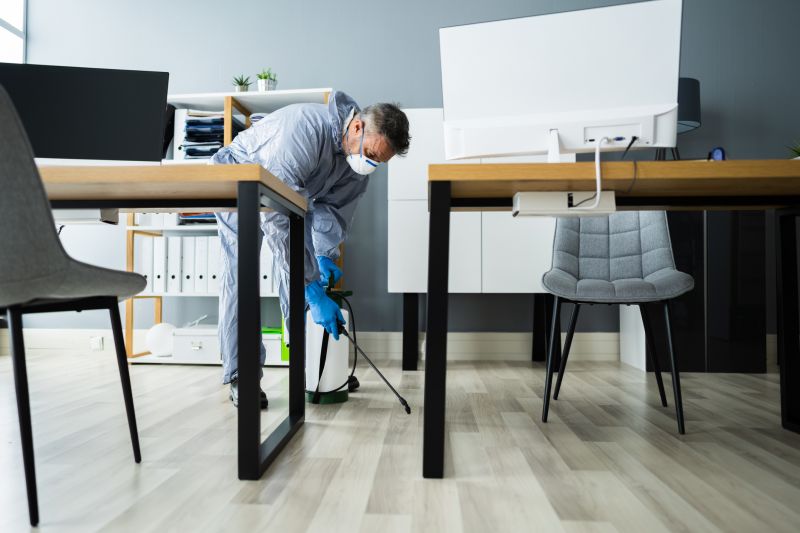
Specialized services are available for restaurants, food processing facilities, and other commercial spaces.
Fly pest control involves targeted strategies to reduce and manage fly populations in residential, commercial, and industrial settings. Flies are not only a nuisance but can also carry pathogens, making effective control essential for hygiene and health. On average, professional fly control treatments can take anywhere from a few hours to a full day, depending on the size of the area and the severity of the infestation. The process typically includes inspection, identification of breeding sites, application of targeted treatments, and ongoing monitoring to ensure fly populations are kept in check.
Hiring a professional for fly pest control offers several advantages. Experts have access to specialized equipment and proven methods that are more effective than DIY solutions. They can identify hidden breeding sites and implement comprehensive measures to eliminate current populations and prevent future outbreaks. Regular maintenance and treatment plans are recommended to sustain control, especially in environments where flies tend to thrive due to food waste, standing water, or poor sanitation.
Professionals evaluate the property to identify fly sources and breeding areas.
Precise application of insecticides and traps reduces fly populations effectively.
Follow-up visits ensure the effectiveness of treatments and help maintain control.
Recommendations include sanitation improvements and structural modifications.
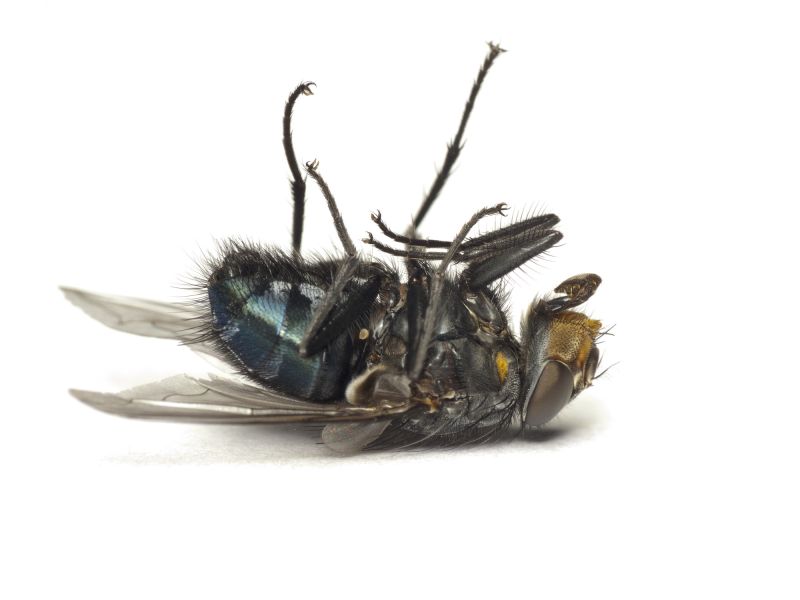
Strategically placed traps attract and capture flies, reducing their numbers.
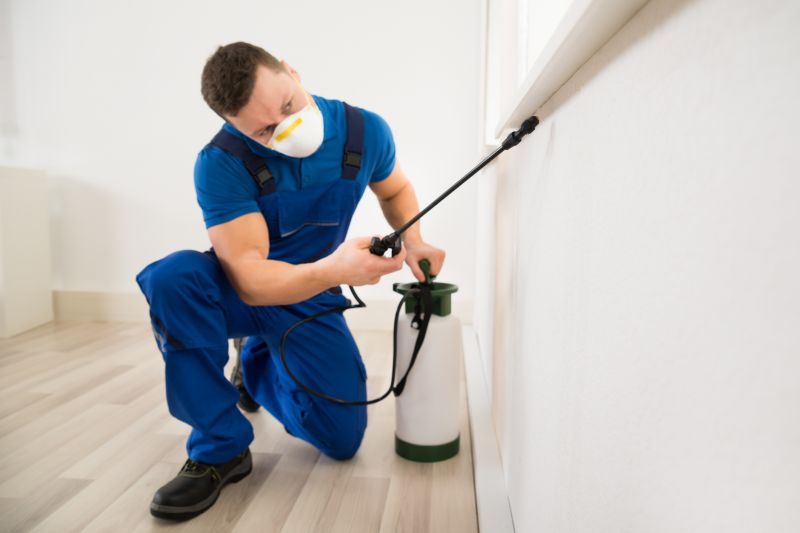
Professional treatment results in a significant decrease in fly activity.
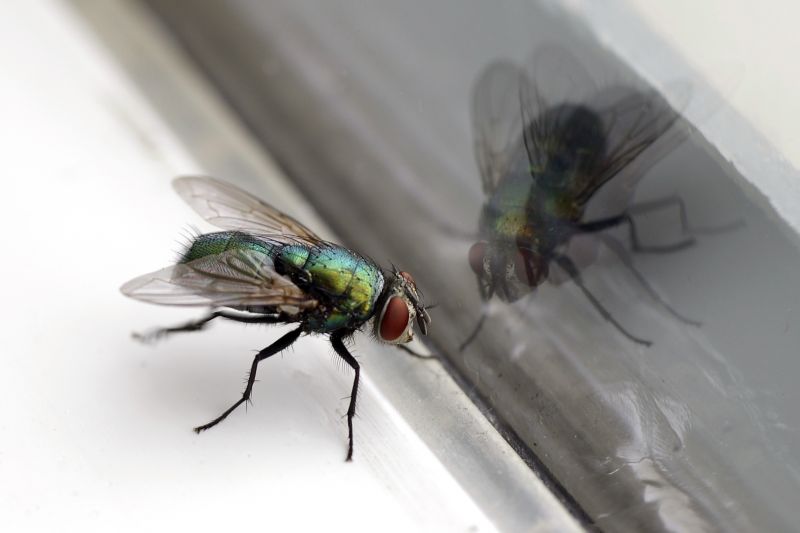
Enhanced sanitation practices help prevent future fly infestations.
Effective fly pest control is crucial for maintaining hygiene and preventing the spread of disease. Properly executed treatments can lead to immediate relief and long-term control when combined with sanitation and structural modifications. Regular inspections and maintenance are recommended to sustain a fly-free environment.
| Aspect | Details |
|---|---|
| Average Treatment Duration | A few hours to a full day |
| Frequency of Treatments | Every few weeks or as needed |
| Common Treatment Methods | Traps, insecticides, breeding site elimination |
| Key Benefits | Reduces nuisance, prevents disease transmission |
| Ideal Environments | Food service areas, warehouses, outdoor spaces |
| Cost Factors | Size of area, severity of infestation, treatment complexity |
| Prevention Tips | Sanitation, sealing entry points, removing standing water |
For those seeking a professional fly pest control service, filling out the contact form provides an opportunity to receive a tailored quote. Effective management of fly populations can improve hygiene standards and protect health in various settings.