
Top-Rated Products For Effective Fly Pest Management
Browse a selection of highly recommended fly control solutions designed to tackle infestations and prevent future problems.
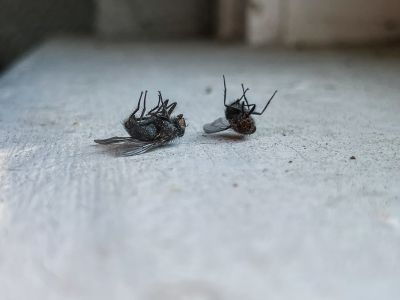 Fly pests can be a persistent nuisance in both residential and commercial settings. They are attracted to food, waste, and moisture, often thriving in kitchens, trash areas, and outdoor spaces. Effective fly control involves a combination of strategies and products designed to reduce fly populations and prevent infestations. From physical barriers to chemical attractants, there are numerous options available to help manage these insects.
Top Overall Option
Multi-Function Fly Trap System
A versatile fly trap system that employs UV light, attractant lures, and a sticky catch tray to attract and capture flies effectively. Designed for both indoor and outdoor use, it provides a chemical-free solution that reduces fly populations without the need for sprays or aerosols.
Types of Products For Fly Pest Controls
UV Light Fly Traps
Utilize ultraviolet light to attract flies, trapping them on sticky surfaces or in collection chambers, suitable for indoor and outdoor use.
Fly Baits and Lures
Chemical attractants designed to lure flies into traps or onto surfaces where they can be eliminated.
Electric Fly Zappers
Electric grids that electrocute flies upon contact, often used in outdoor or commercial settings.
Fly Repellent Sprays
Aerosol or liquid repellents that deter flies from settling in specific areas.
Fly Swatters and Physical Traps
Manual tools and simple traps for immediate removal of individual flies.
Sticky Fly Strips
Adhesive strips that trap flies when they land, often hung in problem areas.
UV Light and Fan Combinations
Devices that combine light attraction with airflow to trap and remove flies efficiently.
Outdoor Fly Repellent Devices
Devices designed for outdoor use that emit sound or light to deter flies from entering specific areas.
Fly Screens and Barriers
Physical barriers such as screens that prevent flies from entering indoor spaces.
Biological Control Agents
Natural predators or parasites that help reduce fly populations in outdoor environments.
DIY Fly Traps
Homemade traps using common household items like sugar water or vinegar to attract and trap flies.
Ultrasonic Fly Repellers
Devices that emit ultrasonic sound waves intended to repel flies, though efficacy varies.
Fly Control Stations
Stations that combine multiple attractants and trapping methods for comprehensive control.
Chemical Fly Sprays
Aerosol or liquid sprays for quick knockdown of flies in infested areas.
Fly Light Bulbs
Specialized bulbs that attract flies and can be used in existing light fixtures.
Popular Choices
Widely used for indoor fly control, these traps attract flies with UV light and trap them on sticky surfaces.
Simple and effective, these strips are a common choice for targeted fly trapping in kitchens and food prep areas.
Popular for outdoor patios and commercial spaces, these devices quickly eliminate flies on contact.
Pre-filled bait stations are convenient options for attracting and trapping flies in various environments.
Homemade traps using vinegar and dish soap are affordable and effective for small-scale fly control.
Commonly used for immediate relief, these sprays can be applied to surfaces or around problem areas.
Devices that emit ultrasonic sounds claimed to deter flies, often used in homes and small businesses.
Physical barriers that prevent flies from entering indoor spaces, especially in warmer months.
Devices designed for patios and outdoor dining areas to discourage fly presence.
Homemade solutions using common ingredients, popular for their simplicity and low cost.
Multi-attractant stations that combine light, scent, and physical trapping methods.
Convenient for quick application in heavily infested areas, with a focus on safety and proper use.
Specialized bulbs that can be installed in existing fixtures to attract and trap flies passively.
Choosing the right products depends on the severity of the problem, the environment, and personal preferences. Proper sanitation and elimination of breeding sites are essential components of fly management. However, targeted products such as traps, insecticides, and repellents can significantly aid in controlling flies. These products are designed to attract, trap, or eliminate flies, reducing their presence and preventing them from becoming a larger issue.
When selecting fly control products, it is important to consider safety, ease of use, and effectiveness. Some products are suitable for indoor use, while others are intended for outdoor environments. Regular maintenance and adherence to product instructions ensure optimal results. Combining multiple types of fly control solutions can provide a comprehensive approach to managing these pests effectively.
Key Buying Considerations
- Determine whether the product is suitable for indoor, outdoor, or both environments.
- Consider the size of the area needing coverage to select appropriately powered devices.
- Evaluate safety features, especially if children or pets are present.
- Check if the product uses chemical attractants or relies solely on physical methods.
- Assess ease of installation and maintenance requirements.
- Look for products with replaceable parts like sticky traps or attractant cartridges.
- Review user feedback for insights on real-world effectiveness.
- Consider the noise level of electric zappers or ultrasonic devices if placement is near living areas.
- Evaluate the longevity and durability of outdoor products exposed to weather.
- Determine if the product offers multi-method approaches, such as combining light and scent.
- Check for certifications or safety standards compliance.
- Assess the compatibility of replacement parts and refills.
- Consider budget constraints and the frequency of product replacement.
- Look for options that can be discreet or blend into your environment.
- Ensure the product's design minimizes accidental contact with non-target insects or humans.
This content contains affiliate links. We may earn a commission if you purchase through these links, at no additional cost to you.